

anaesthesia and moving unconscious trauma
reflecting on an embodied practice of tattooing, surgery as body modification, gender affirming transitions, and soft launching my book 'the dermascape'

I am writing this little essay two weeks post op from my gender affirming surgery, having gone through a wide spectrum of emotion before, during and after, I am processing what essentially was a double amputation of my breasts. Tied directly to my tattoo practice as well as my research and process as a material artist, much of what I do comes from my experiences and I am looking forward to sharing more of my written work, theories, poems, and more of me on here.
I have been working on publishing an academic essay I wrote (with a very chunky title) called Decolonising ingrained phallocentric violences that re-traumatise the body and embodied healing through corrective experiences, and I have found it within my capacity to dedicate this project to myself while I am taking a break from tattooing and sculpting. Rewriting parts of it, changing the format, experimenting with the tone, polishing, reshaping, moulding, playing, and most of all absorbing it all back in after some time away from it.
Spending a week in and out of a plastic surgeon’s clinic where there are 18 year old girls with bandaged faces, butt lifts and boob jobs as well as middle aged men with fresh hair transplants walking in the streets of Istanbul, was already a side of the tourism industry of my homeland that I have never seen before. It’s interesting how we are all in this clinic for a gender affirming surgery; it’s only that theirs are affirming the gender they were born as and mine is not. It is a big deal to trust another person to permanently change our body as we know it. It is a privilege and a responsibility of the professional to honour that. Knowing what embodied practice is as a practitioner of the body, I feel the violence of disembodied practice penetrate my tissues clearer than ever. A smelly sterile hospital of thermoplastic polymer gowns, synthetic chemicals, and whatever drug they directly put into my veins reminds my body of experiences too vulgar to say without a trigger warning, so I won’t.
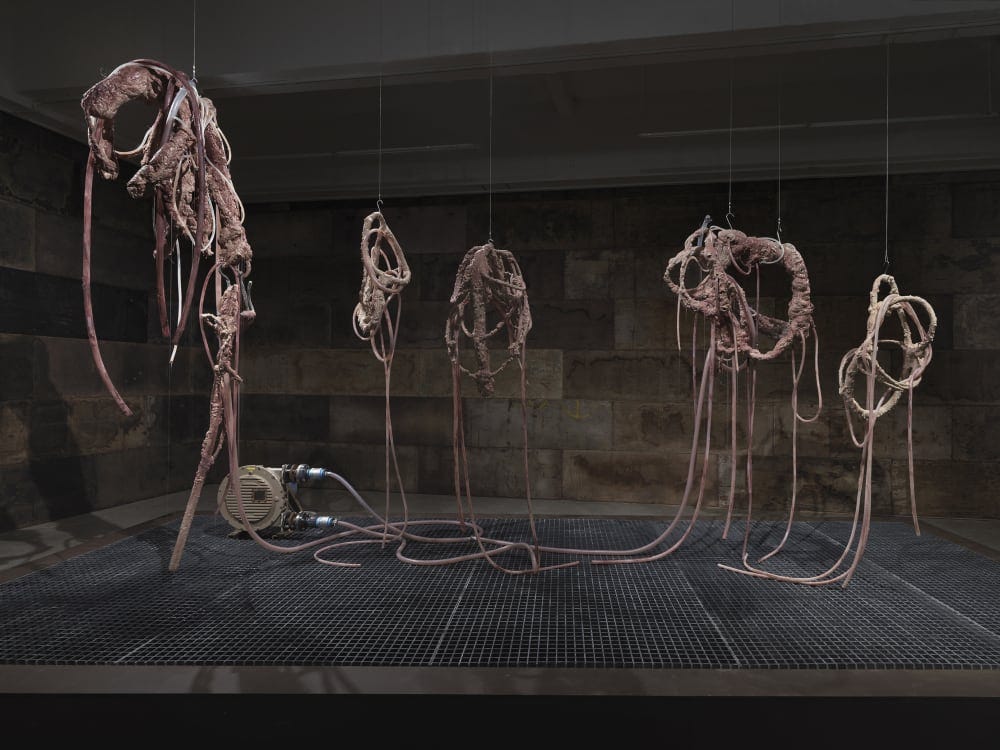
Losing my faith in western medicine over the years for failed treatments of multiple chronic conditions, as they only treat symptoms and not the cause, I acknowledge the irreplaceable role of surgery within the medical field. I personally don’t think taking herbal medicine or lifestyle changes would have the same effect as physically removing a kilogram of breast tissue from my chest, but it certainly is a much more brutal way to treat the body. Even though in my everyday life I choose to avoid interacting with western medicine as much as I can and rely on natural remedies instead, sometimes the symptoms need to be managed, and sometimes I have to suck it up and take the antibiotics they give me because I am not a doctor and I don’t know best. I do know that my gut hates antibiotics, they fuck up my microbiomes like crazy but that is a consequence I am willing to handle. Ultimately the operation had no complications, and the artistry of this gory craft has left me speechless.
I watched the way my plastic surgeon sketched on my tits with the same body marker pens that I use for my tattoos, feeling the felt tip tracing the lines that will be the incisions that will tear my skin with a scalpel. My pores began to dilate at the anticipation of such violent manipulation, yet I could see the way she saw my body mirrored my process of drawing on my clients before I tear into their skin with a needle. I respect the grotesque nature of this craft as I too am a practitioner of the skin, tissues, and blood serving people who want to manipulate their body.
Tattooing can be a gender affirming procedure, ritual, or initiation. With the range of play that is created through my freehand process, a lot of my clients choose their placements with intentions to emphasise or disguise parts of their body. Whether it is a feminising or masculinising shift doesn’t suggest a transition takes place within the gender binary and sometimes it’s not one or the other. Regardless, a transition is taking place. A transformation of the skin cells and tissues.
Permanent manipulation. A transition to self.
People who are not tattoo lovers or maybe are even tattoo haters often don’t understand why we choose to do this to ourselves. They may not understand why there is such a longing for bodily change. They are confused at the extreme measures of transformation whether it is a tattoo, piercing, implants, corsets, stretching, scarification, or plastic surgery. Why do we put ourselves through pain? Because true transformation is not going to happen without a little (or a lot) of pain. The difference with surgery is that it is perceived way less barbaric which is insane because it is the most grotesque of them all. The cuts are the deepest, the risks are the greatest, and the procedures are the most brutal. Although, it all seems like a civilised act because the patient is completely unconscious. It is erased from their brain, and everyone pretends the hours in the operation room with horrors of bloody scalpels and stitched body parts didn’t happen.
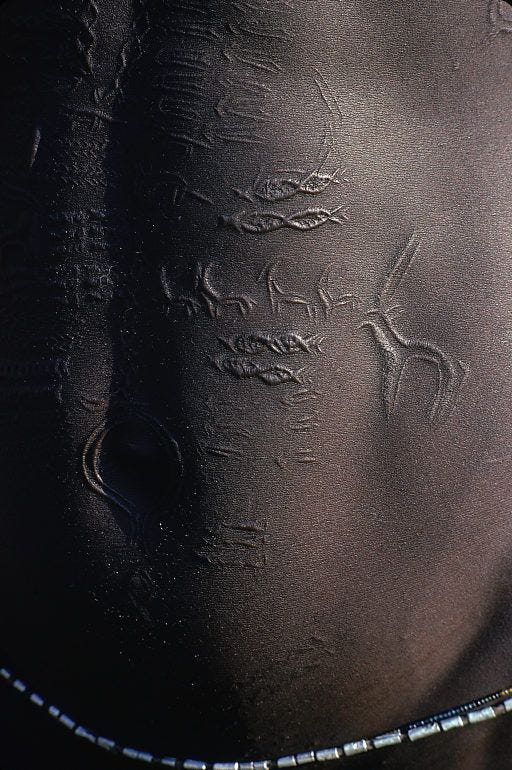
Waking up from my double mastectomy without a clue of what had happened and slowly gaining the sensations in my limbs was a feeling I was uncomfortably familiar with. Anaesthesia is a mystery to humans and I’m not sure I want to know the answers. I do know that the tissue memory holds everything even if the mind was truly unconscious. All the times I woke up in strange places next to strange people with strange marks over my body, my primordial senses and their inherent wisdom were present, waiting for the safe time to come up to the surface.
As an addict in recovery, my drug of choice was being unconscious and I would be lying if I said I wasn’t looking forward to the 3 hours that I got to exit my body during the surgery. Especially when I am being sliced open, it would be very cruel, let alone very illegal to do such procedures on a living creature while they are fully conscious. No wonder the poor people who randomly wake up during surgery for whatever reason are permanently traumatised by it. The evolutionary response to pain is to withdraw away from it through wincing, squirming, crying, and screaming. It is no wonder that inability to do so causes stagnancy within the body. I give an example about this in my book as an auto-ethnographed experience with a disembodied tattoo artist, where there is no space to vocalise pain in a tattoo session, and it leads me to a trauma response. This is because pain needs movement. It needs to move through the body and when it doesn’t, it is stuck.
I was speaking to a client about the crazy practice of tattooing somebody that is under anaesthesia to get massive pieces done at one go. I’m sure everyone has thought of it at some point. How much easier would it be if I could just be knocked out and get my whole back piece done, I know I would. This is the exact thing I battle with when I work with clients who are phobic of the body. Majority of people who get tattoos distract themselves to not feel the pain, they disconnect and actively try to dissociate from their body because it is just too uncomfortable to be in pain.
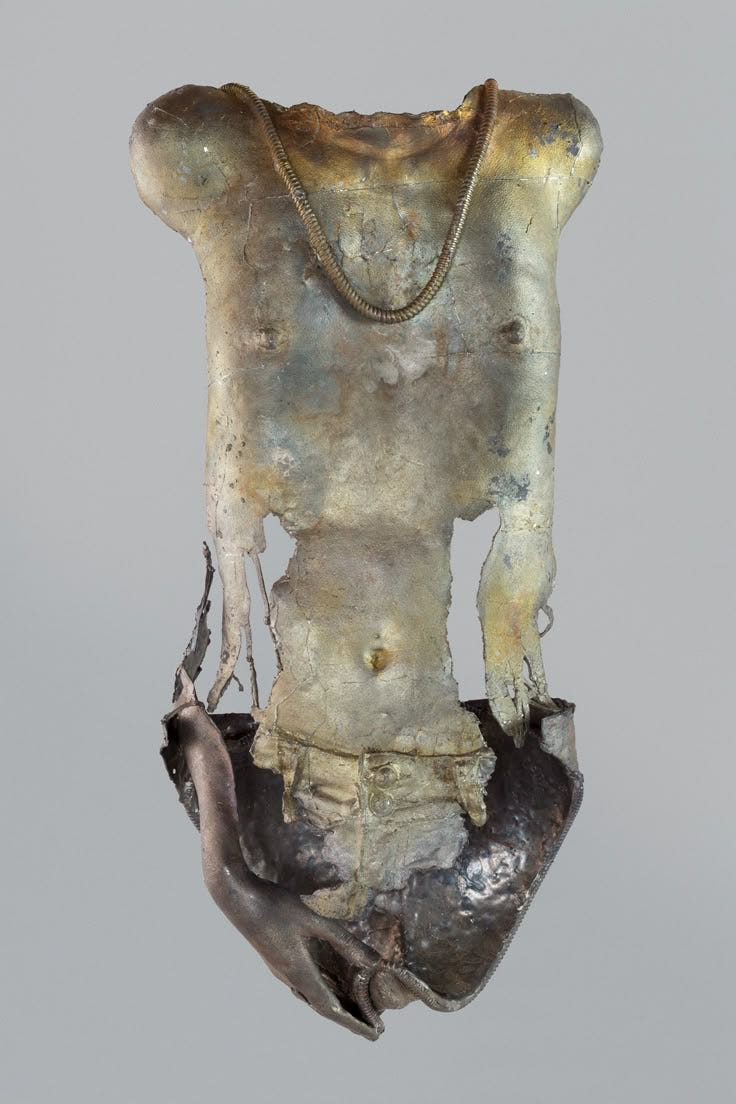
I don’t think the human brain can process the level of gore that surgery really is. Even the surgeons themselves, they don’t see the patient as a human being. Their faces are covered with surgical sheets, their identity is disguised and their humanity erased. It must be done to perform the necessary procedures because someone has to do it and it comes with the job. It comes with my job too. For example, when tattooing palms I have to consciously shut off the part of my brain that stops me from going too deep with the needle because the skin is thicker. In some way, it is a subtle shift to dehumanise the body that I am causing pain to. As a practitioner of the body, working with tools that are rather directly violent to the skin, deeply entangled with flesh, blood, and fluid, I traverse the borders of care. It comes with the territory to devotionally care while a transition takes place within them.
Ultimately, i don’t have a point to make with this essay because what I really need to is sit down and format my book so it can be published. This feels like words of procrastination or an extension of my unprocessed thoughts around these complex topics that I keep finding myself drawn to.
Thank you for reading a fragment of my work. If these topics are of interest to you, please subscribe and stay tuned for my book that will be published soon (hopefully :))
With love & devotion,
Ezekiel (he/they)
powerful stufffff